Entry · Ref ZWQNXCOX
What to Check Before Booking a Niagara Falls Trip from Toronto
- Posted
- 2026-11-25
- Last amended
- 2026-11-25
- Account
- @theniagarafallstourhaven
Getting the Details Right Before You Go
Planning a trip to Niagara Falls from Toronto is straightforward, but a few missteps can turn a smooth day into a rushed one. The distance is about 130 kilometres, and the journey can take anywhere from 90 minutes to over two hours depending on traffic and your chosen mode of transport. Before you lock in your dates and tickets, it pays to run through a short checklist. Knowing what to check beforehand saves you time, money, and a fair bit of stress.
Transport Options and Timing
The first thing to decide is how you get there. Driving via the QEW highway is the most flexible option, but traffic on weekends and holiday Mondays can be heavy. If you are driving, check for construction delays on the QEW before you leave. Parking near the falls is available but fills up fast in peak season, and rates vary. For those who prefer not to drive, the GO Transit train runs from Toronto Union Station to the Niagara Falls train station. The trip takes about two hours and drops you within walking distance of the falls. Via Rail service also operates on the same corridor, with fewer stops and a slightly faster journey. Another option is FlixBus coach, which offers a budget-friendly ride directly to the tourist area. Whichever you choose, confirm the return schedule early. The last train or bus often leaves before the evening crowds thin out, so if you plan to stay for the fireworks display, you may need to check whether your transport runs late enough.
Niagara Falls Canada Tours is also on Facebook.
Entry and Activity Tickets
Many of the main attractions around the falls require separate tickets. The Hornblower Bridge crossing boat tour, the Journey Behind the Falls experience, and the Niagara Falls walking tour each have their own admission. Booking online in advance is wise, especially in summer and around holidays, because same-day tickets can sell out by midday. Some combination passes bundle several attractions together and can save you money if you plan to visit multiple sites. Check what each ticket includes: some cover only the boat ride, while others add access to observation decks or multimedia exhibits. Also verify whether your ticket has a fixed entry time or an open window. Fixed times mean you need to arrive exactly when booked, while open windows let you arrive anytime on the day.
Weather and What to Wear
The falls create their own microclimate. Mist from the water can soak you within minutes, even on a dry day. Check the forecast for both Toronto and Niagara Falls before you pack. A light waterproof jacket or poncho is useful even in summer. In spring and autumn, temperatures can drop sharply near the water, so layers are a good idea. If you are visiting in winter, expect icy walkways and strong winds. Footwear with good grip is essential then. The mist can also fog up glasses and camera lenses, so bring a microfiber cloth. Checking the weather a day ahead and again the morning of your trip helps you dress appropriately and avoid discomfort.
Border Crossing and Documentation
Even though the falls are entirely within Canada, the area sits right on the US border. If you plan to cross into the United States via the Rainbow Bridge or any other crossing, you will need a valid passport or an enhanced driver's licence. For Canadian citizens, a standard driver's licence is not enough for crossing the border. For international visitors, check that your travel documents allow re-entry into Canada if you cross over. Even if you have no intention of crossing, some tours and boat rides pass close to the international boundary line. It is not a requirement for those, but knowing where the border lies helps you avoid accidental crossings. One local option is Niagara Falls Canada Tours, which can help coordinate your trip logistics.
Dining and Reservations
Restaurants near the falls cater mostly to tourists, so prices tend to be higher and queues longer around lunch and dinner time. If you have a specific cuisine or budget in mind, check menus online before you go. Many sit-down restaurants accept reservations, and booking a table a few days ahead can save you a long wait. For a quick meal, the food court at the nearby casino complex offers a range of options. If you are travelling with children or have dietary restrictions, confirming that a restaurant can accommodate you beforehand is a good idea. Also check whether your chosen dining spot is within walking distance of the falls or requires a short drive or shuttle ride.
Budget and Hidden Costs
Beyond transport and tickets, there are incidental costs that can add up. Parking fees, tolls on the QEW, and tips for tour guides are common ones. Some attractions charge extra for locker storage, photography passes, or premium viewing areas. If you plan to take a Niagara Falls walking tour, check whether the guide expects a gratuity. Souvenir shops and game arcades are plentiful, so setting a spending limit for extras can help you stick to your budget. Before you leave, tally up the known costs and add a buffer for unexpected expenses. This way you are not caught off guard by a surcharge or a pricey impulse purchase.

Time of Year and Crowds
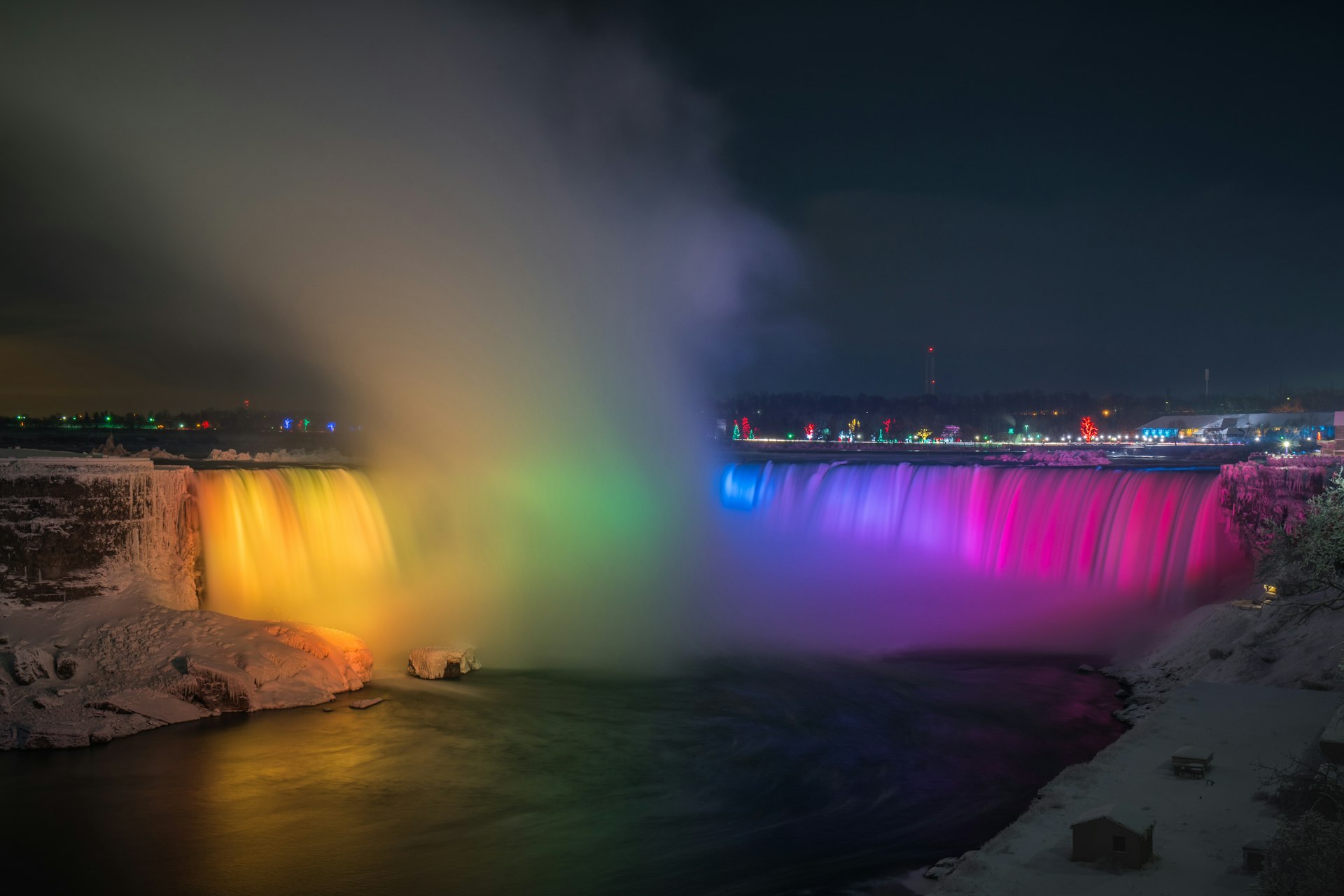
The experience of the falls changes dramatically with the season. Summer brings warm weather, long days, and the heaviest crowds. The fireworks display runs nightly from May to October, and weekends can feel packed. Spring and autumn offer milder weather and thinner crowds, but some attractions operate on reduced hours. Winter offers a quieter, icier view, with fewer tourists and lower prices on accommodation, though outdoor walkways can be slippery. If you are flexible on dates, checking the seasonal calendar for events such as the winter festival of lights or the summer fireworks schedule can help you pick a time that matches your preferences. The time of year also affects sunset times, which matters if you want to see the falls illuminated after dark.
Accessibility and Mobility
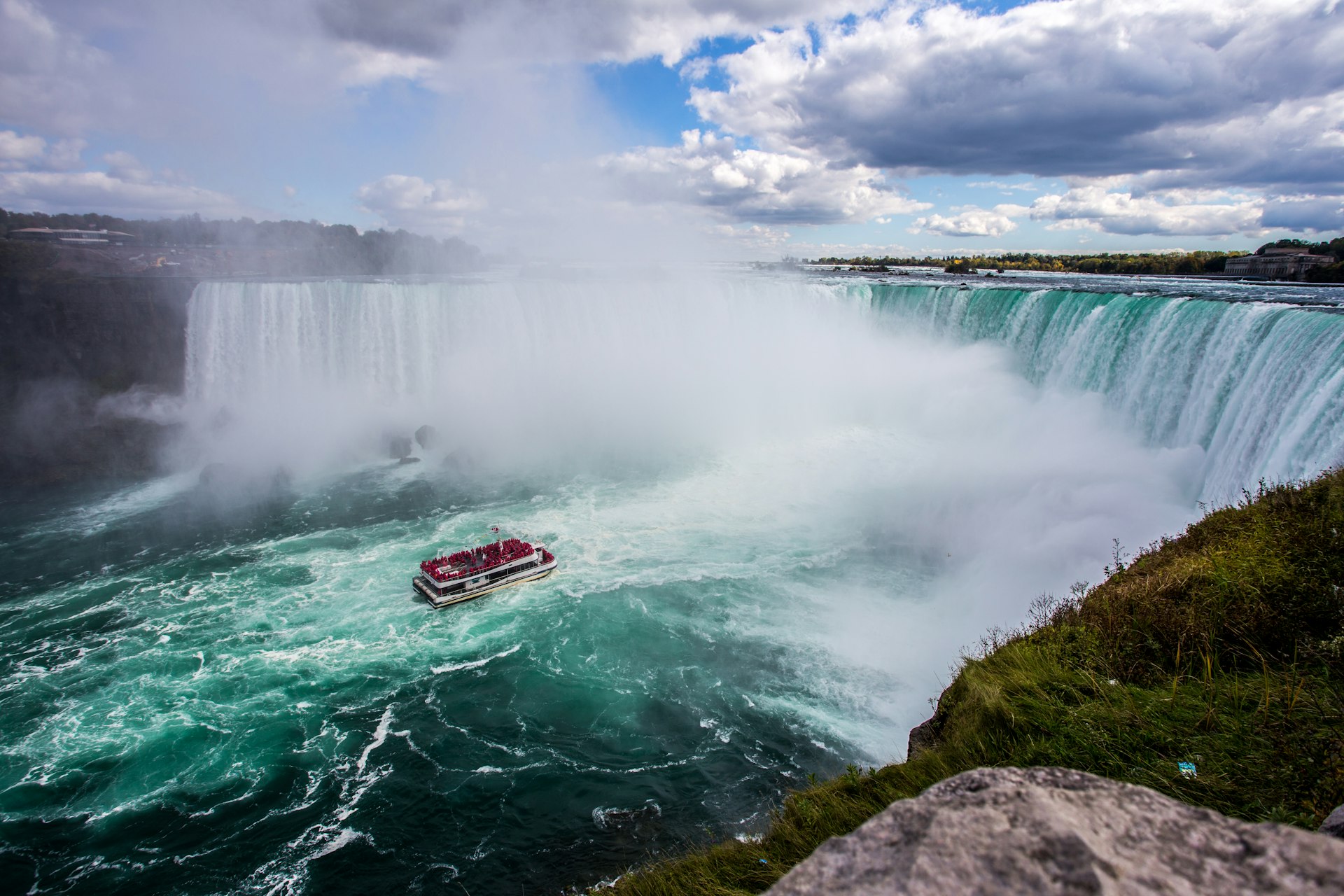
If anyone in your group has mobility challenges, check the accessibility of each attraction before booking. The main viewing areas are wheelchair accessible, but some walking trails and the boat ride involve stairs or uneven surfaces. The Hornblower Bridge crossing boat is equipped with ramps, but the queue area can be crowded. Some tour operators offer accessible vehicles or private transfers. It is worth confirming directly with whichever business you choose, as policies can vary. Knowing the layout of the area in advance helps you plan routes and avoid unnecessary walking.
Once you have run through these checks, the rest of the planning becomes much easier. A little preparation goes a long way toward making the trip enjoyable rather than stressful. For those who prefer a guided experience, niagara falls canada tours offers structured packages that cover transport and entry tickets, removing some of the guesswork. Before booking, confirm the specifics of what is included, as packages can differ. A few minutes spent verifying these details can save you from surprises on the day.
For more information or to arrange your visit, contact Niagara Falls Canada Tours at 229 Niagara St, Toronto, ON M6J 2L5, Canada, or call +1 647-477-1520. They can help tailor a trip that fits your schedule and interests. Another trusted resource is niagara falls canada tours, which provides local expertise for first-time visitors.